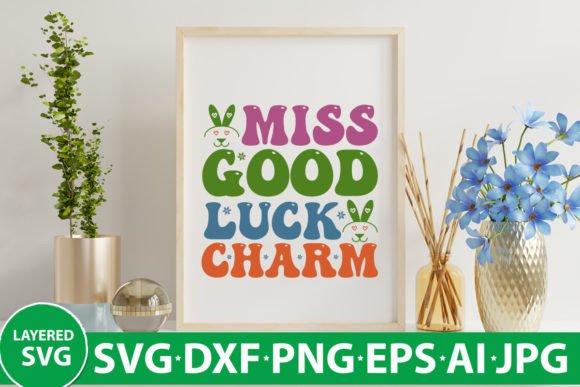
Miss Good Luck Charm Retro SVG Review
As a designer who spends more time than I care to admit staring at stitch paths and testing fabric tension, I approach every new digital embroidery file with a healthy dose of skepticism. The market is flooded with generic clipart disguised as vector art, so when I pulled up the Miss Good Luck Charm Retro SVG, I was looking for something that would actually hold up under the needle. This isn’t just another decorative graphic; it’s a specific aesthetic choice that speaks to a very particular niche of handmade commerce. After running some mental simulations on how this design translates from screen to hoop, here is my honest breakdown of its potential in real-world projects.
The First Impression: Mood and Visual Personality
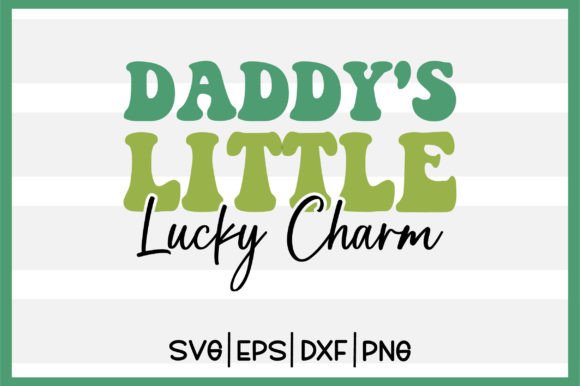
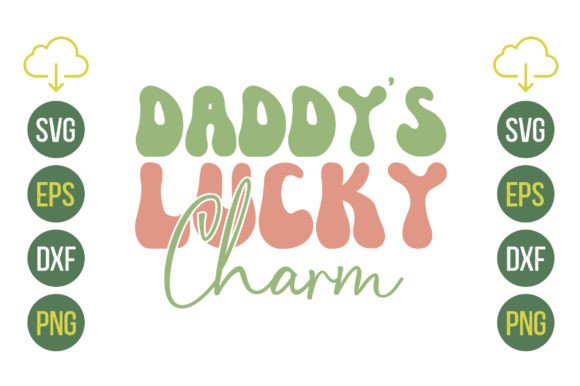
The moment you load the Miss Good Luck Charm Retro SVG, the retro vibe hits you immediately. It’s not trying to be modern minimalism or ornate baroque. Instead, it leans into a nostalgic, playful energy that feels perfect for today’s craft market. The typography has that chunky, friendly weight that reads well even from a distance, which is crucial for items like tote bags or sweatshirts where the logo needs to make an impact without overwhelming the garment.
From a design perspective, the layout is clean. There is no unnecessary clutter that might translate into messy stitching or thread breaks. For an embroiderer, simplicity is often your best friend. The shapes are distinct, meaning the transition between different stitch types—likely a combination of satin stitches for outlines and fill stitches for the body—should be manageable. It feels like a design that says "handmade with love" rather than "mass-produced." That distinction matters deeply to buyers who are shopping on Etsy or browsing local craft fairs.
Real-World Application: Where This Design Shines
I’ve been thinking about how this machine embroidery design could fit into a small business owner’s inventory. My first scenario? A custom embroidered tote bag. Imagine a heavy canvas tote in a muted olive or mustard yellow, featuring the Miss Good Luck Charm Retro SVG centered on the front panel. The contrast between the fabric texture and the smooth, retro lettering creates a tactile appeal that photos alone can’t capture. It’s the kind of product that sits on a shelf and begs to be picked up.
Another strong use case is baby apparel. We live in an era where parents want personalized gifts that feel special but also look stylish. Using this design on a onesie or a burp cloth in soft pastels taps into the "modern vintage" trend. It’s adorable without being overly saccharine. Similarly, for holiday embroidery projects, this charm theme works beautifully for Christmas stockings or New Year’s Eve party favors. It’s versatile enough to serve as a personalized gift for someone starting a new job, moving into a new home, or simply needing a little luck.
For those selling custom apparel, consider placing this on the back of a hoodie or the chest of a crewneck sweatshirt. The retro font size allows it to act as a statement piece. It’s not just a logo; it’s a mood. When a customer buys a shirt with this design, they aren’t just buying cotton; they’re buying into that lucky, optimistic aesthetic. That emotional connection drives repeat customers and positive reviews.
Product Value and Brand Consistency
When you integrate a high-quality embroidery project like this into your shop, you elevate the perceived value of the item. Handmade products command higher prices because of the labor and skill involved. A crisp, well-executed Miss Good Luck Charm Retro SVG demonstrates technical competence. It tells the buyer that you pay attention to detail. In the crowded world of Etsy sellers and small shop products, professionalism is your differentiator. If your stitching is clean and the placement is precise, you build trust. Buyers are more likely to leave five-star reviews and recommend your brand to friends when the finished product looks polished.
Technical Considerations and Pitfalls
However, no design is without its challenges. As I reviewed the file structure, I noted that while it includes multiple formats (SVG, EPS, PNG, DXF, AI, JPEG), the actual embroidery performance depends entirely on how you digitize or prepare it. Here are some critical points to keep in mind before you start stitching.
- Hoop Size and Placement: Always confirm the hoop size required by the design. If you attempt to stitch this on a curved surface like a cap brim, ensure the curvature doesn’t distort the text. The retro style might tolerate slight warping better than delicate script, but accuracy is still key.
- Fabric Texture: This design will behave differently on various fabrics. On a smooth cotton twill, it will look sharp. On a highly textured linen or a fuzzy fleece, the details might get lost. Test on scrap fabric first to see if the stitch density holds up against the nap of the material.
- Thread Color Contrast: The visual appeal relies heavily on color choice. If you use a dark fabric, light threads are essential for readability. Conversely, on light backgrounds, darker threads provide the necessary punch. Avoid low-contrast combinations unless you are going for a subtle, tonal look.
- Stitch Density: Check the stitch density carefully. Dense areas can cause puckering, especially on lightweight fabrics. If the design uses too much fill stitch in one area, it might become stiff and uncomfortable to wear. Balance is everything.
Where to Use Caution
There are certain scenarios where this design might not perform as well. Avoid using it on extremely thin fabrics that may pucker easily. Also, be cautious with tiny lettering if the design includes any fine print; these details can become illegible after washing. If you plan to sell these items as commercial embroidery goods, remember that they need to withstand frequent laundering. A design that looks great on day one but unravels by day thirty will hurt your reputation.
Final Verdict for Designers and Sellers
The Miss Good Luck Charm Retro SVG is a solid addition to any designer’s asset library. It offers a clear, recognizable aesthetic that resonates with current trends in craft business and graphic design. It’s not overly complex, which makes it accessible for beginners, yet it has enough personality to satisfy seasoned pros looking for quick, effective designs.
Before incorporating this into your finished product line, I strongly advise you to test it thoroughly. Create a printable mockup to visualize the scale, then stitch a sample on your actual production fabric. Inspect the applique design elements if you choose to use them, ensuring the edges are clean. Verify the licensing terms, especially if you intend to sell digital downloads or mass-produce physical items.
If executed correctly, this design can be a workhorse for your shop. It fits seamlessly into categories ranging from baby embroidery to holiday embroidery and beyond. It’s a reminder that sometimes the best designs are the ones that bring a smile to the wearer’s face. And in the world of handmade goods, that’s exactly what we’re selling.