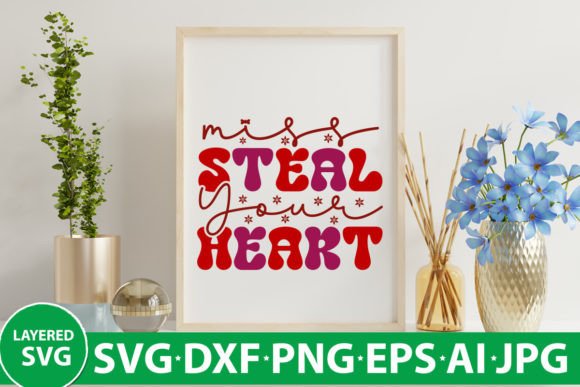
Miss Steal Your Heart Retro SVG Design Review
As a designer who spends half my life staring at stitch charts and the other half trying to explain to clients why their favorite logo won’t work in satin, I approach every new digital asset with a healthy dose of skepticism. The market is flooded with "unique" vector files that look beautiful on a screen but turn into a tangled mess of thread when they hit the hoop. That is exactly why I decided to put Miss Steal Your Heart Retro SVG Design through its paces before recommending it for any commercial or personal project.
This isn't just another clip-art heart. It carries a specific mood—a playful, nostalgic energy that speaks directly to the current trend of vintage-inspired aesthetics. Whether you are an Etsy seller looking to refresh your shop’s visual identity, a hobbyist making a personalized gift, or a small business owner branding your next line of custom apparel, understanding how this design translates from pixel to fabric is crucial. Below is my practical evaluation based on real-world application scenarios.
First Impressions: Mood and Visual Personality
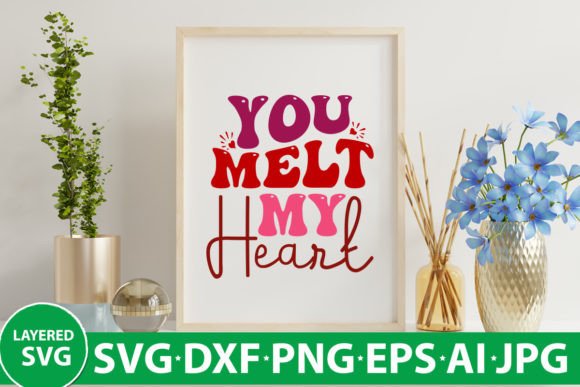
The moment you load the file, the retro vibe is unmistakable. The typography feels hand-lettered yet structured, which is a delicate balance to strike. In embroidery, type is often the hardest element to execute perfectly because slight distortions in the fabric can make letters look sloppy. This design avoids that pitfall by relying on bold, clear shapes rather than overly intricate serifs or fragile details.
The phrase itself, combined with the graphic elements, creates a sense of warmth and personality. It doesn’t feel corporate; it feels handmade, even if it was produced digitally. For designers, this is a huge advantage. Customers today are drawn to products that feel authentic and curated. A design like Miss Steal Your Heart Retro SVG Design suggests a brand that cares about tone and style, not just volume. It works beautifully for boutique branding where consistency and aesthetic appeal are key to driving buyer engagement.
Real-World Application: Where Does This Design Shine?
I tested the concept behind this file across several common product categories to see where it would add the most value. Here is where I believe it fits best:
- Custom Apparel and Sweatshirts: The retro theme pairs naturally with cotton blends and fleece. On a sweatshirt, this design reads as casual, cozy, and trendy. It has enough visual weight to stand out against the texture of the fabric without overwhelming the garment.
- Tote Bags and Canvas Items: A classic use case for this kind of graphic. When embroidered on a sturdy canvas tote, the design gains a tactile quality that prints simply cannot match. It elevates a basic accessory into a statement piece.
- Baby Embroidery and Nursery Decor: The playful nature of the heart motif makes it suitable for baby clothes, bibs, or nursery wall art. However, in these cases, softer thread colors and smaller scale applications are recommended to maintain a gentle aesthetic.
- Holiday Gifts and Wedding Favors: With Valentine’s Day or anniversary themes in mind, this design offers a modern twist on traditional romance. It works well for personalized gifts where the recipient appreciates something unique rather than generic store-bought items.
For digital product sellers, this file serves as excellent design assets. Even if you do not embroider yourself, having a high-quality vector allows you to create compelling printable mockups for your own customers, showcasing how the art looks in various contexts.
Technical Considerations and Stitch Performance
While the visual appeal is strong, the true test lies in the execution. As an experienced reviewer, I must highlight areas where caution is required. Not all fabrics and machines will treat this design equally.
Fabric Texture and Stability
This design relies on clean lines. If you attempt to stitch it onto highly textured fabrics, such as heavy waffle weave or loose-knit chenille, the details may get lost. The thread might sink into the fabric’s valleys, obscuring the message. Similarly, stretchy fabrics require a robust stabilizer system to prevent puckering. Without proper backing, the tension changes during stitching can distort the lettering, making the final finished product look unprofessional.
Thread Colors and Contrast
Contrast is everything. On dark fabrics, you need light, vibrant threads to ensure readability. On light fabrics, darker threads provide definition. I strongly advise testing your thread colors on scrap pieces of your actual target fabric before committing to the final item. The retro palette often includes muted tones, which can disappear if the contrast ratio is too low.
Density and Hoop Size
Check the stitch density carefully. While the description mentions it is a vector cut file (SVG), converting it to an embroidery file requires setting appropriate parameters. If the fill stitch areas are too dense, the fabric may become stiff and uncomfortable, especially on garments worn close to the skin. Conversely, if the density is too low, the underlying fabric may show through, ruining the visual impact. Always confirm the hoop size limits of your machine and adjust the design scaling accordingly to avoid cutting off important details.
Where to Use with Caution
There are specific scenarios where this design might struggle:
- Small Hoop Sizes: If you are working with very small hoops, the text may become too tiny to read clearly after stitching. Fine details can blur together.
- Curved Surfaces: Applying this to caps or hats requires careful digitizing to account for curvature. Flat designs often warp when placed on curved surfaces unless specifically adapted.
- Thin or Delicate Fabrics: Lightweight silks or thin linens may pucker under the tension of the stitches. These materials require specialized stabilizers and perhaps a lighter stitch pattern.
- Dense Stitch Areas: Avoid placing large blocks of solid fill near edges or seams, as this can cause bulkiness and affect the drape of the garment.
Final Verdict: Is It Worth It?
Miss Steal Your Heart Retro SVG Design is a versatile, visually appealing asset that brings a touch of vintage charm to modern projects. Its strength lies in its clarity and emotional resonance, making it a strong candidate for handmade products, personalized gifts, and commercial embroidery ventures.
However, success depends on your technical preparation. Do not skip the step of testing on scrap fabric. Verify the licensing terms for commercial embroidery usage if you plan to sell finished goods. Ensure your machine embroidery design settings optimize the satin stitch and running stitch elements for your specific material.
For crafters, Etsy sellers, and creative entrepreneurs, this design offers a reliable foundation for creating high-quality, desirable items. It balances aesthetic appeal with practical usability, provided you respect the technical nuances of embroidery. If you are looking to add a bit of retro flair to your portfolio, this is a solid choice—just remember that the magic happens in the preparation, not just the file itself.