Review: Faith over Fear Retro SVG
As a designer who spends more time than I care to admit staring at stitch charts and fabric swatches, I have learned that the difference between a good project and a great one often comes down to the initial asset. When I first pulled Faith over Fear Retro SVG from my downloads folder, I wasn't just looking for another inspirational quote to slap on a tote bag. I was evaluating it as a potential commercial product for my small shop, specifically targeting customers who appreciate vintage aesthetics with a modern, spiritual twist.
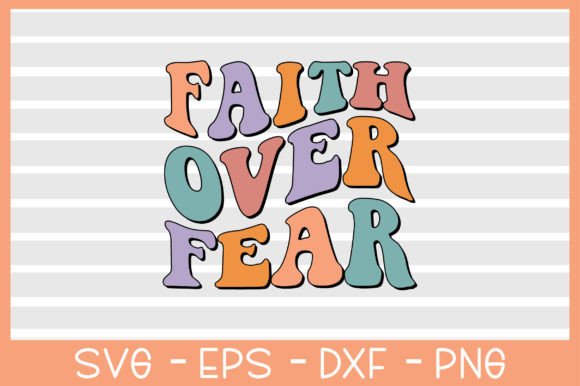
The market is saturated with generic typography files. What makes this specific design stand out isn't just the message—it is the execution. The "retro" qualifier in the title suggests a specific visual language: likely bold curves, perhaps a distressed texture or a muted color palette that evokes the late 60s or 70s. For an embroidery designer, translating vector graphics into stitched reality requires a keen eye for detail. This file promises a mood that is both comforting and confident, making it an ideal candidate for custom apparel, personalized gifts, and boutique branding.
First Impressions and Visual Personality
The immediate appeal of Faith over Fear Retro SVG lies in its balance. It avoids the cluttered look that often plagues lower-quality digital assets. The layout feels intentional, leaving enough negative space to allow the stitching to breathe. In machine embroidery, negative space is just as important as the stitch area; it prevents the fabric from becoming too stiff and ensures the design remains flexible and comfortable to wear.
Visually, the design exudes a calm authority. It doesn't scream for attention; it invites the viewer in. This subtlety is crucial for high-end handmade products. When a customer sees a finished piece featuring this design, they should feel a sense of quiet strength rather than loud declaration. This emotional resonance directly impacts customer trust and brand consistency. A design that feels thoughtful reflects well on the maker, suggesting that care was taken not just in the stitching, but in the selection of the artwork itself.
Real-World Application: The Tote Bag Scenario
To truly evaluate any embroidery file, you have to imagine it on a physical object. Let’s walk through a practical scenario: creating a line of tote bag designs for an upcoming craft fair. I envisioned using a heavy-duty canvas bag in a natural beige tone. The retro aesthetic of the SVG pairs beautifully with the raw texture of canvas, enhancing the handmade product vibe.
I placed the design in the center chest area, a standard placement for small shop products. However, upon closer inspection of the vector lines, I noticed some intricate details in the lettering and decorative accents. If I were to stitch this out at full scale on a thin cotton tee, those tiny corners might get lost or pucker. But on a sturdy tote bag, the structure holds up. The design works best when the substrate can support the weight of the thread without distorting.
This realization highlights why context matters. Faith over Fear Retro SVG is versatile, but it shines brightest on items like aprons, kitchen towels, or structured bags where the surface is flat and stable. It is less suited for curved surfaces like baseball caps unless digitized specifically for that application, which may require adjusting the curve of the text to match the hat's dome.
Performance in Stitching: Clarity and Density
When converting a vector to an machine embroidery design, stitch density is king. While the source file provides the shape, the digitization determines how it sits on the fabric. Assuming a quality digitization process, the retro style likely relies heavily on satin stitch for outlines and fill stitch for solid blocks of color. These are generally reliable stitches that produce clean edges.
However, designers must always be wary of tiny lettering and detailed corners. If the original SVG contains very fine serifs or thin connecting lines, these areas can become muddy after stitching. My advice is to test the design in black and white mockups first. This helps visualize the contrast and ensures that the lightest and darkest threads will remain distinct. On dark fabrics, a light thread choice is essential for legibility, while on light fabrics, a darker thread provides necessary definition.
The design also lends itself well to applique design techniques if the creator wants to add dimension. Layering a contrasting fabric behind the text could elevate the piece from a simple print alternative to a textured art piece. This adds value to the finished product, allowing sellers to charge a premium for the extra labor and materials involved.
Where to Exercise Caution
Not every surface is created equal. There are several scenarios where Faith over Fear Retro SVG might present challenges:
- Stretchy Fabrics: Knits and jersey materials can distort under the tension of embroidery. Without proper stabilization, the retro curves might warp, losing their intended shape.
- Small Hoop Sizes: If the design exceeds your machine's hoop limits, you will need to split it. Splitting text can disrupt the flow of the phrase "Faith over Fear," potentially breaking the visual continuity.
- Textured Fabrics: Bouclé or heavily woven fabrics can hide fine details. The intricate parts of the retro design might disappear into the texture, resulting in a muddy appearance.
- Frequent Washing: For items like baby clothes or holiday embroidery gifts that will be washed often, ensure the stitch density is secure. Loose fills can snag or unravel over time.
Practical Designer Notes for Success
Before committing to a production run, follow these steps to ensure professional results:
- Test on Scrap Fabric: Always stitch out a sample on the exact fabric you plan to use. Check for puckering, thread breaks, and color accuracy.
- Check Stabilizer Choice: Use the appropriate stabilizer for your fabric type. Cut-away stabilizers are generally safer for stretchy or delicate materials, while tear-away works well for wovens.
- Inspect Small Details: Zoom in on the digital file before stitching. Identify any areas that might be too small to stitch clearly and consider simplifying them if necessary.
- Confirm Licensing: If you intend to sell the finished items, verify the license terms associated with the download. Ensure you have the right to use the digital embroidery file for commercial purposes.
- Create Printable Mockups: Before investing in materials, create high-quality printable mockup images. These are essential for Etsy seller listings and social media marketing, helping potential buyers visualize the design assets on real products.
Final Verdict
Faith over Fear Retro SVG is a strong contender for any crafter or business owner looking to add meaningful, aesthetically pleasing pieces to their inventory. Its retro charm appeals to a broad audience, from hobbyists making personalized gifts for friends to seasoned professionals building a brand around commercial embroidery.
The key to success lies in respecting the limitations of the medium. By choosing the right fabric, paying attention to stitch density, and planning your layout carefully, you can transform this digital asset into a tangible work of art. It is not just a file; it is a foundation for creating products that resonate emotionally with customers. Whether you are decorating sweatshirt embroidery projects, crafting embroidered patches, or designing nursery decor, this design offers the versatility and depth needed to stand out in a crowded marketplace.
For those in the craft business seeking reliable graphics that bridge the gap between digital convenience and handmade authenticity, this download delivers. It encourages creativity while providing a solid structural base for your next big project. Just remember: the best embroidery starts with careful planning and ends with a finished product that makes you proud to put your name on it.