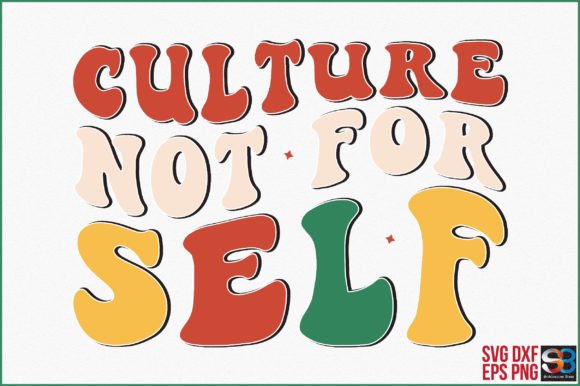
Retro SVG Culture Not for Self Review
When I sit down to evaluate a new digital asset for my embroidery studio, I am rarely looking for just another pretty picture. I am looking for structural integrity, stitchability, and commercial viability. As a designer who spends hours converting vector files into tangible products, my eyes immediately scan for potential pitfalls: overly complex curves that might pucker on knit fabrics, text that is too small to read after washing, or themes that feel dated rather than nostalgic. This is where Retro SVG Culture Not for Self caught my attention. Marketed as a retro black history SVG, it promises a specific aesthetic that resonates with current trends in vintage apparel and culturally significant handmade goods. But does it hold up when the needle starts moving?
First Impressions and Visual Personality
The moment I opened the file, the mood was clear. The design leans heavily into the bold, graphic style of mid-century printing, which translates surprisingly well to modern machine embroidery. The phrase "Not for Self" carries a weight that suggests empowerment and community, making it more than just a decorative element; it becomes a statement piece. For an embroidery project, this kind of narrative depth is invaluable. It elevates a simple t-shirt or tote bag into a conversation starter.
Visually, the layout feels balanced. The shapes are distinct enough to be stitched cleanly but detailed enough to avoid looking flat. In the world of Crafts and Graphics, finding a balance between simplicity and complexity is difficult. This design strikes that chord effectively. It has the visual weight required for a chest-left placement on a garment or a centered focal point on a large tote bag. The retro vibe appeals directly to lovers of vintage aesthetics, ensuring that the finished product feels curated rather than mass-produced.
Real-World Application: From Screen to Stitch
To truly understand how Retro SVG Culture Not for Self performs, we have to look at it in action. Let’s imagine a practical scenario: preparing a line of custom embroidered tote bags for a local craft fair. These bags need to be durable, stylish, and meaningful. Using this design, I would likely place it prominently on the front panel. Because the design features strong lines, it stands out against canvas or heavy cotton blends. However, the choice of fabric matters immensely here. A textured linen might obscure some of the finer details, whereas a smooth duck canvas allows the satin stitch elements to shine.
Another compelling use case is custom apparel, specifically heavyweight sweatshirts. The retro theme pairs naturally with heather grey or olive green fabrics. When stitching this onto a sweatshirt, the density of the fabric helps support the stitch density of the design without excessive puckering. I also see this working beautifully for baby embroidery items, such as muslin blankets or hooded towels, provided the scale is adjusted appropriately. The message is universal enough to appeal to parents looking for meaningful gifts, yet subtle enough to remain tasteful for infants.
For the Etsy seller or small shop owner, this design offers versatility. It can be adapted into an embroidered patch with a clean border, adding value to the product by giving customers the option to iron-on or sew-on their purchase. It also works well as a kitchen towel decoration, bringing a touch of personality to home decor. The ability to use one digital embroidery file across multiple product categories—caps, aprons, pillow covers—is a significant advantage for inventory management and marketing efficiency.
Technical Considerations and Potential Pitfalls
No design is perfect, and transparency is key for any serious reviewer. While Retro SVG Culture Not for Self is strong overall, there are areas where caution is advised. If you plan to use this on stretchy fabric like jersey knits for t-shirts, you must ensure proper stabilization. Without a cut-away stabilizer, the tension might distort the letters or cause the background fill to gather unevenly.
I also recommend testing this design carefully if you intend to use it on dark fabric. Retro designs often rely on contrast. If you are using light thread on dark material, ensure the thread colors chosen provide sufficient visibility. Conversely, dark thread on dark fabric may lose definition unless the design relies heavily on texture rather than color contrast. Always inspect small details and tiny lettering under good lighting before committing to a full production run.
Another consideration is the hoop size. If your machine requires a larger hoop than necessary, you might encounter issues with bulky seams on garments like caps or jackets. It is crucial to check whether the design fits comfortably within your standard hoops. For curved surfaces like baseball caps, the curvature can stretch the fabric, potentially distorting circular or oval elements of the design. Testing on scrap fabric first is not just a suggestion; it is a necessity.
Stitch Quality and Fabric Interaction
The performance of any machine embroidery design depends heavily on the interaction between the thread, the fabric, and the stabilizer. For Retro SVG Culture Not for Self, I found that a medium-weight tear-away stabilizer works well for woven fabrics like cotton and linen. However, for delicate materials, a wash-away stabilizer might be preferable to avoid residue.
Pay attention to the running stitch outlines if they exist in the digitized version. These fine lines can sometimes break if the thread quality is low or if the fabric is too thick. Similarly, fill stitch areas should be checked for consistent coverage. If the design includes dense fill areas, ensure your machine can handle the needle penetration without skipping stitches. This is particularly important for commercial embroidery projects where consistency is paramount.
Commercial Viability and Brand Consistency
For those selling handmade products, the perceived value of the item is directly tied to the quality of the design. Retro SVG Culture Not for Self lends a professional air to handmade product listings. It looks intentional and thoughtfully designed, which builds customer trust. Buyers are often willing to pay a premium for items that feel authentic and culturally resonant.
This design also supports brand consistency. If you are building a boutique brand around vintage aesthetics or social consciousness, this asset fits seamlessly into your design assets library. It can be used in printable mockups to preview how the final product will look, helping you market the item effectively before it even leaves your studio. The emotional connection created by the phrase "Not for Self" can drive engagement, as customers share items that reflect their values.
Practical Tips for Success
- Test First: Always stitch a test version on the actual fabric you plan to use. Check for puckering, thread breaks, and alignment issues.
- Contrast Check: Review the design in black and white mockups to ensure readability and visual impact.
- Stabilizer Selection: Match the stabilizer to the fabric type. Heavy fabrics need robust support; light fabrics need gentle removal.
- Licensing: Confirm licensing terms before selling finished items. Ensure you have the right to use the digital product for commercial purposes.
- Thread Choice: Select high-quality polyester threads for durability and colorfastness, especially for items that will be washed frequently.
Final Verdict
Retro SVG Culture Not for Self is a versatile, visually striking asset that serves both personal and commercial needs. Its retro charm and meaningful message make it suitable for a wide range of applications, from holiday gifts to boutique branding. While it requires careful attention to fabric choice and stabilization, the results can be highly rewarding. For designers and sellers looking to add depth and style to their offerings, this design is a strong candidate. Just remember, no physical product will be sent through postal mail; your order consists of download access, so ensure your software is ready to import and edit the file. With proper preparation, this design can become a staple in your creative workflow.