Lucky Nana Retro SVG Review
As a designer who spends more time than I care to admit staring at stitch charts and testing thread tension, I approach every new embroidery file with a healthy dose of skepticism. The market is flooded with digital assets, but few actually translate well from a screen to the fabric. Today, I’m evaluating the Lucky Nana Retro SVG, a design that promises to blend holiday cheer with nostalgic charm. This isn’t just about whether it looks cute in a preview window; it’s about how it behaves under the needle, how it holds up on a finished product, and whether it adds real value to a craft business or a personal gift.
First Impressions: Mood and Visual Personality
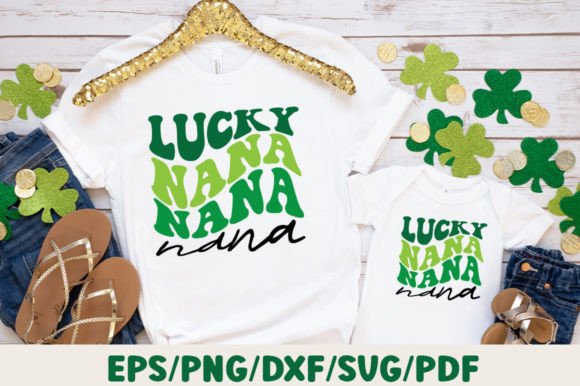
The moment you open the zip folder containing this machine embroidery design, the retro aesthetic hits you. It’s not trying to be modern minimalist, nor is it overly ornate. Instead, it leans into a warm, vintage vibe that feels instantly comforting. For an embroidery project, this translates to a design that feels approachable and timeless. The layout likely features bold, readable elements—perfect for text-heavy designs like "Lucky Nana"—which is crucial because legibility is often the first thing customers notice on a custom apparel item.
The mood is celebratory but grounded. It evokes memories of family gatherings, St. Patrick’s Day parades, and cozy kitchen moments. When I look at the vector lines before digitizing, I see a design that relies on strong shapes rather than delicate, fragile details. This is a smart choice for a graphics asset intended for physical production. It suggests a design that will survive the rigors of stitching without losing its character. For a small shop owner, this kind of visual personality builds immediate brand consistency; it signals that your products are thoughtful, handmade, and designed with care.
Real-World Application: From Screen to Stitch
Let’s talk about where this design truly shines. Imagine preparing a batch of custom embroidered tote bags for a local craft fair. You want something that appeals to women who love their grandmothers and enjoy festive holidays. The Lucky Nana Retro SVG fits perfectly here. The contrast between the playful retro font and the thematic imagery creates a focal point that draws the eye. On a canvas tote, this design would pop, especially when paired with green or gold thread colors.
Consider also the potential for sweatshirt embroidery. A cropped hoodie or a classic crewneck featuring this design becomes an instant bestseller during the spring season. The retro style pairs exceptionally well with soft, worn-in fabrics. However, the designer must consider the placement. A centered chest logo offers a professional, boutique feel, while a larger back print might be too overwhelming unless the garment is oversized. In either case, the design’s balance allows it to work as a standalone statement piece without needing additional embellishments.
Another strong use case is apron embroidery. For the matriarch of the family who loves to cook, a personalized apron with this motif is a heartfelt personalized gift. The sturdy nature of apron fabric can handle the weight of the design, ensuring that the stitches lay flat and durable. Similarly, for kitchen towel projects, the compact size of many retro designs allows them to fit neatly in corners or centers, adding a touch of whimsy to daily routines.
Technical Considerations and Potential Pitfalls
No design is perfect, and knowing where to exercise caution is what separates a novice crafter from a seasoned pro. While the Lucky Nana Retro SVG is robust, there are specific scenarios where it requires careful handling. First, avoid using this design on stretchy fabrics like thin jersey knits without proper stabilization. The tension of the stitches can pucker the fabric if the wrong stabilizer is used or if the hoop size is too tight.
Textured fabrics present another challenge. If you are embroidering on a boucle sweater or a heavily napped fleece, the fine details of the retro typography might get lost. In such cases, the design may need to be scaled up slightly to ensure clarity. Additionally, be mindful of small decorative accents. If the original graphic includes tiny hearts, shamrocks, or intricate line work, these areas are prone to breaking threads or losing definition if the stitch density is too high. Always inspect the design closely for any elements that might require manual adjustment in your digitizing software.
Dark fabrics can also pose a visibility issue depending on your thread choice. If the design relies on light outlines or negative space, it may disappear against a black background. Testing on scrap fabric is non-negotiable here. Furthermore, if you plan to sell these items commercially, remember that curved surfaces like caps or hats distort flat designs. What looks balanced on a 2D screen may appear stretched or compressed when wrapped around a crown. Pre-test on a similar curved surface to adjust the angle and scale accordingly.
Practical Designer Notes for Success
- Test on Scrap Fabric: Never commit to a final product without running a test stitch-out. This reveals issues with thread tension, color bleeding, or fabric puckering early.
- Check Thread Contrast: Ensure your chosen thread colors provide enough contrast against the base fabric. Low contrast can make the design look muddy or unfinished.
- Review Stitch Density: High-density areas can cause stiff spots on garments. If the design feels too heavy, consider reducing fill density or switching to a lighter stabilizer.
- Confirm Hoop Size: Verify that your machine’s hoop can accommodate the full dimensions of the design, including any necessary margins for hooping.
- Inspect Small Details: Zoom in on the vector file. Are there any tiny elements that might break? Simplify or remove them if necessary for better durability.
- Black and White Mockups: View the design in grayscale to check for balance and composition without the distraction of color.
- Licensing Verification: Before selling finished product items or digital previews, double-check the license terms. Some files are for personal use only, while others allow commercial sales.
Impact on Product Value and Customer Trust
When executed well, a design like the Lucky Nana Retro SVG significantly elevates the perceived value of a handmade product. Customers associate clean stitching, appropriate sizing, and thoughtful design choices with quality. A poorly executed embroidery job can undermine even the best materials, but a sharp, well-placed design builds trust. It shows that you understand the medium and respect the recipient’s gift.
For an Etsy seller or craft business owner, this design offers versatility. It can be featured in printable mockups to showcase potential products, creating engaging social media content that drives engagement. The retro theme taps into a broader trend of nostalgia, making it highly shareable. When buyers see a professionally finished embroidered patch or a beautifully stitched tote bag design, they are more likely to convert, knowing they are investing in a durable, aesthetically pleasing item.
Final Verdict
The Lucky Nana Retro SVG is a solid addition to any designer’s library, particularly for those focusing on holiday-themed or family-oriented merchandise. Its strength lies in its clear visual communication and adaptable style. By paying attention to technical details like fabric choice, stabilization, and stitch density, you can transform this digital asset into a cherished physical keepsake. Whether you are creating a one-off gift for your own grandmother or stocking shelves for a busy season, this design provides a reliable foundation for success. Just remember: the magic happens in the execution, so take the time to test, refine, and present your work with pride.