Hunny Bunny Retro SVG Design Review
As a designer who spends half my life troubleshooting stitch errors and the other half trying to make handmade goods look professionally polished, I don’t just buy digital files; I evaluate them for viability. When I first pulled up the Hunny Bunny Retro SVG Design, I didn’t just see a cute rabbit. I saw a potential bestseller for a boutique baby shop or a standout item at a local craft fair. But does it hold up when translated from screen to fabric? That is the real question.
This review isn’t about whether the bunny looks nice in a preview window. It is about how this machine embroidery design behaves in a real-world production environment. Whether you are an Etsy seller looking to expand your catalog or a hobbyist wanting to create a memorable personalized gift, understanding the nuances of this file is crucial before you hit the start button on your machine.
First Impressions: Mood and Visual Personality
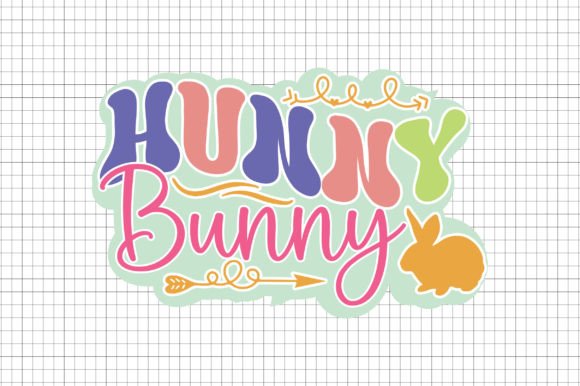
The moment you load the Hunny Bunny Retro SVG Design, the aesthetic speaks for itself. The "retro" tag isn’t just a buzzword here; the lines suggest a mid-century modern influence with clean curves and a playful, nostalgic charm. It feels warm, inviting, and slightly whimsical without being overly childish. This is a significant advantage for commercial applications because it appeals to parents who want nursery decor that fits a curated interior, not just a generic store-bought aisle.
In terms of layout, the design has a balanced visual weight. It doesn’t feel cluttered, which is a common pitfall with character designs. The negative space is handled well, allowing the eye to rest on the focal points. For a designer, this means fewer issues with thread breaks and a cleaner final product. The visual personality suggests this embroidery project is perfect for soft pastels, mustard yellows, or muted teals, though it can certainly pop against deeper tones if the thread contrast is managed correctly.
Real-World Application: Where Does This Fit?
I always ask myself: what is the end goal? With the Hunny Bunny Retro SVG Design, the versatility is striking. Here is how I envision this playing out in actual handmade products:
- Baby Clothes & Nursery Decor: This is the obvious winner. A small chest placement on a onesie or a larger center placement on a crib sheet transforms this into a high-value personalized gift. The retro vibe pairs beautifully with organic cottons and muslin fabrics often used in baby items.
- Tote Bags & Market Totes: Imagine this stitched onto a canvas tote bag. It elevates a simple accessory into a statement piece. As a tote bag design, it offers enough detail to be interesting but remains legible from a distance, making it ideal for craft business merchandise.
- Applique Projects: The file includes formats suitable for cutting, suggesting this could work brilliantly as an applique design. Layering a felt or denim background with the embroidered details adds texture and depth, significantly boosting the perceived value of the finished product.
- Holiday Embroidery: While not explicitly seasonal, the cute factor makes it a strong candidate for Easter baskets or spring-themed gifts. It bridges the gap between everyday wear and special occasion gifting.
For small shop owners, this design is a low-risk, high-reward asset. It fits seamlessly into collections focused on animals, nostalgia, or family themes. It also serves well as a digital embroidery file for those selling mockups or printable art, expanding your revenue streams beyond physical goods.
Technical Considerations and Stitch Performance
Here is where the rubber meets the road. Not all graphics translate equally well to thread. When evaluating the Hunny Bunny Retro SVG Design, we need to look at stitch types and density.
Stitch Density and Clarity: Retro designs often rely on bold outlines. If these are rendered as dense satin stitches, they can become stiff and bulky, especially on delicate fabrics like thin cotton knits. However, if the design utilizes a mix of satin stitch for borders and fill stitch for body areas, it should lay flat and smooth. I recommend checking the stitch density in your software. If the density feels too high for a lightweight tee, consider reducing the scale slightly or switching to a lighter stabilizer.
Detail Level: The intricate parts of the bunny’s ears or facial features must be large enough to stitch clearly. Tiny details often get lost in the fuzz of embroidery thread. If the original graphic has very fine lines, ensure they are converted to thick enough strokes in the digitizing process. Otherwise, you risk a muddy result that loses the charming simplicity of the original art.
Thread Colors: The success of this design hinges on color selection. Because of the retro palette, using high-contrast threads will enhance the vintage feel. A cream background with mustard yellow stitching might look stunning, while black on black could obscure the shape entirely. Always test your thread colors against your chosen fabric swatch before committing to a full run.
Where to Exercise Caution
No design is universal, and the Hunny Bunny Retro SVG Design has specific constraints you must respect to avoid customer returns or wasted materials.
- Small Hoop Sizes: Avoid attempting this on tiny hoops (under 4x4 inches) unless the design is scaled down significantly. Fine details may disappear, and the registration accuracy of smaller machines might struggle with complex curves.
- Textured Fabrics: Do not attempt this on heavy tweeds, bouclé, or heavily textured upholstery fabrics. The needle penetration will be inconsistent, and the thread tension may vary, leading to puckering or skipped stitches. Stick to smooth surfaces like cotton, linen, or stable blends.
- Stretchy Materials: While knit fabrics are popular for baby clothes, they require excellent stabilization. Without proper cut-away stabilizer, the embroidery file will distort as the fabric stretches during wear. Test carefully on spandex or jersey blends.
- Curved Surfaces: Embroidering this directly onto a curved cap brim or a rounded pillow corner requires advanced technique. Flat surfaces yield the most professional results for this specific layout.
- Dense Areas: If the design includes solid fill areas, be mindful of heat buildup and needle breakage. Ensure your machine is properly threaded and your needles are sharp to handle any dense sections.
Practical Designer Notes for Success
To get the most out of the Hunny Bunny Retro SVG Design, follow these practical steps before starting your production run:
- Test on Scrap Fabric: Never trust a digital preview over physical reality. Stitch the design on the exact fabric you plan to use. Check for puckering, thread tension issues, and color accuracy.
- Check File Compatibility: The package includes SVG, EPS, DXF, PNG, and AI files. Ensure you are using the correct format for your machine or cutting software. The SVG is ideal for Cricut Design Space if you are doing applique, while the PES or DST (if available/converted) is needed for direct embroidery.
- Review Licensing: Before listing this as a commercial embroidery product on Etsy or your own website, verify the license terms. Some designers allow unlimited commercial use, while others restrict the number of physical items you can sell. Respecting intellectual property protects your brand reputation.
- Use Proper Stabilizer: The choice of stabilizer is as important as the thread. Use tear-away for woven fabrics and cut-away for knits to prevent distortion over time, ensuring your handmade product lasts through washes.
- Inspect Small Details: Zoom in on the digitized file. Are the corners sharp? Is the text (if any) legible? Adjusting minor elements in your software can save hours of re-stitching later.
Final Verdict
The Hunny Bunny Retro SVG Design is more than just a cute clipart image; it is a versatile, market-ready asset for serious creators. Its retro charm taps into current trends while maintaining timeless appeal. For crafters and design entrepreneurs, it offers a reliable foundation for creating high-quality custom apparel, embroidered patches, and gift items.
By paying attention to fabric choice, stabilizer usage, and stitch density, you can transform this digital file into a tangible product that delights customers. It is a smart addition to any library of design assets, bridging the gap between personal creativity and professional execution. If you are looking to add a touch of nostalgia and warmth to your next batch of projects, this design delivers on both style and substance.